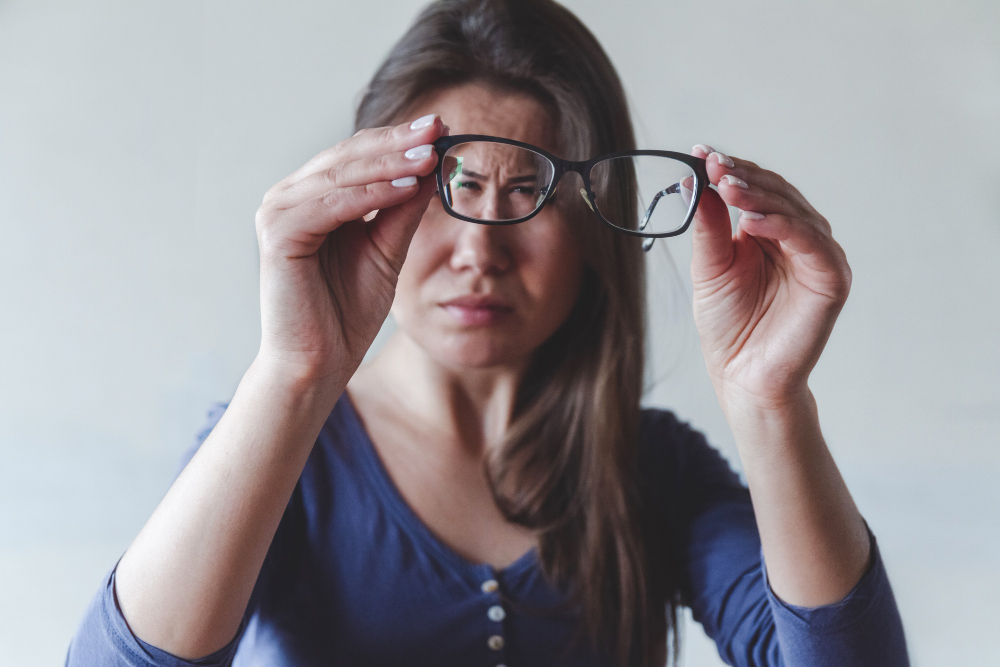
Introduction to Peripheral Vision Loss
Peripheral vision loss means you cannot see things to the side as well as before. This is also called loss of side vision. Although you may still see clearly in front, you might miss objects or movement around you. For many people, peripheral vision problems can make daily life harder. For example, you may bump into objects or have trouble driving. According to the World Health Organization (WHO), vision loss can affect safety and independence. Therefore, it is important to know the signs and seek help early.
Common Symptoms
Peripheral vision loss can show up in different ways. However, some signs are more common. If you notice any of these symptoms, you should talk to an eye doctor:
Sometimes, these symptoms appear slowly. But in other cases, they can happen suddenly. Either way, early detection is key.
Main Causes
There are several reasons why someone may develop peripheral vision loss. Some causes are more common than others. Here are the main ones:
Because these causes vary, it is important to get a proper diagnosis.
How Peripheral Vision Loss is Diagnosed
Doctors use several tests to check for peripheral vision problems. First, they will ask about your symptoms and medical history. Next, they may perform a visual field test. This test maps out what you can see on the sides while you look straight ahead. In addition, your doctor may use eye drops to widen your pupils. This helps them check the back of your eye for damage. Sometimes, imaging tests like MRI or CT scans are needed. These can show if there are problems in the brain or optic nerve. Early diagnosis helps guide the best treatment for peripheral vision loss.
Treatment Options
Treatment for peripheral vision loss depends on the cause. While some types can be managed, others may not be reversible. Here are common treatment options:
Although not all vision loss can be cured, early treatment can slow or stop further damage.
Lifestyle Tips and Prevention
Even though some causes of peripheral vision loss cannot be prevented, you can take steps to protect your eyes. Here are some helpful tips:
Additionally, staying active and keeping your brain healthy may help reduce risks.
When to See an Eye Specialist
If you notice sudden changes in your side vision, seek help right away. For example, if you see flashes of light, shadows, or a curtain over your vision, these can be emergencies. Even if symptoms are mild, it is wise to get checked. Early action can make a big difference. According to the CDC, regular eye exams are key for catching problems early. Therefore, do not wait if you have concerns about your peripheral vision.
In summary, peripheral vision loss can affect your daily life. However, with early diagnosis and proper care, you can protect your sight. Consult an eye specialist for personalized advice on peripheral vision loss.