Introduction
AI in eye care is changing how doctors find and treat eye diseases. Early detection is very important in ophthalmology. When problems are found early, treatment can start sooner. This can help save vision. Now, artificial intelligence in ophthalmology is making early detection easier and faster. With new tools, doctors can spot signs of disease before symptoms appear. As a result, more people can protect their eyesight.
What Is AI in Eye Care?
AI stands for artificial intelligence. In eye care, AI uses computers to study eye images. These smart systems can learn from thousands of eye scans. Then, they help doctors find signs of disease. For example, AI can look at pictures of the retina and spot tiny changes. Because of this, AI eye disease screening is becoming more common in clinics.
How AI Detects Eye Diseases Early
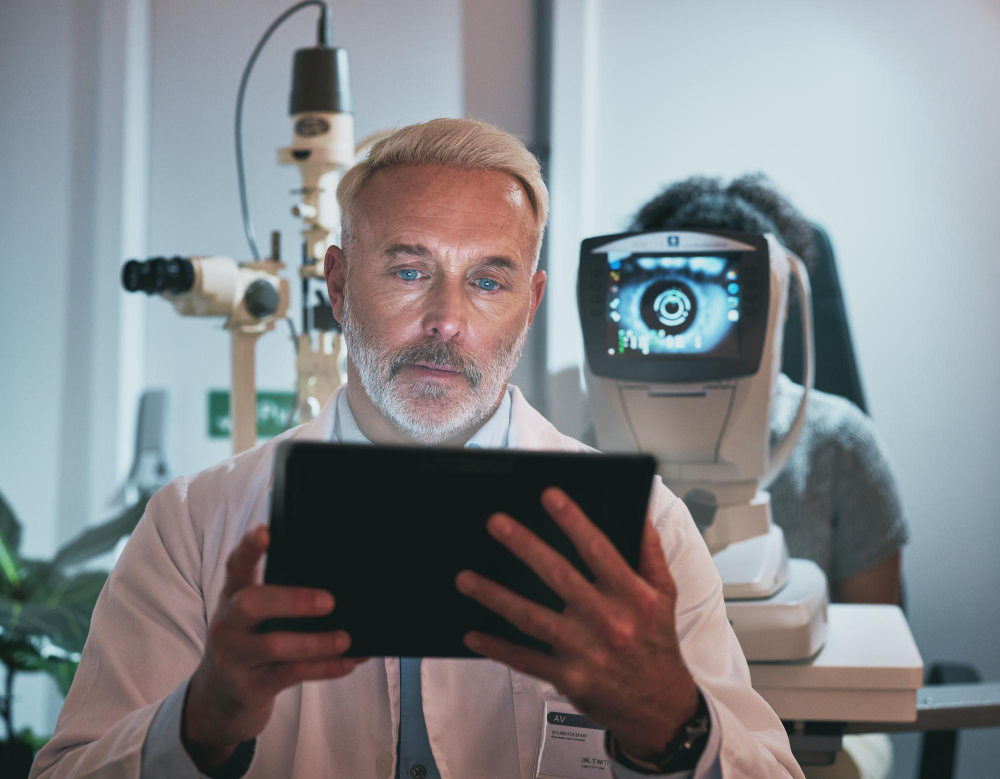
AI-powered eye exams use special cameras to take pictures of the inside of your eye. Next, the AI system checks these images for warning signs. It looks for patterns that may show disease, even before you feel any symptoms. In many cases, AI can find problems faster than the human eye. This means early detection of eye diseases with technology is now possible for more people.
Common Eye Diseases Detected by AI
AI in eye care can help find several common eye diseases, such as:
According to the World Health Organization (WHO), early treatment of these diseases can prevent blindness in many cases.
Benefits of Early Detection with AI
There are many benefits to using AI for early eye disease detection. For example:
Because AI can work quickly, more people can get checked. This helps save sight for many patients.
Limitations and Considerations
Even though AI is helpful, it is not perfect. Sometimes, AI may miss rare problems. Or, it may suggest a disease when there is none. Therefore, doctors always review the results. In addition, not all clinics have access to AI technology yet. Privacy and data safety are also important. Patients should ask how their eye images are stored and used.
Future of AI in Eye Care
AI in eye care is growing fast. Soon, more clinics will use AI-powered eye exams. New tools may help find even more diseases. Also, AI could help track changes in vision over time. As technology improves, early detection of eye diseases with technology will become even better. This means more people can keep their vision healthy for longer.
Practical Tips for Patients
If you want to benefit from AI in eye care, here are some tips:
In the US and many other countries, more clinics are starting to use these new tools. Therefore, it is easier than ever to access advanced eye care.
Conclusion
AI in eye care is making early detection of eye diseases faster and more accurate. With these new tools, doctors can help protect your vision. Consult an eye care specialist to learn how AI technology can support your vision health.