What is a Cataract?
Many people ask, “What is a cataract?” A cataract is a cloudy area that forms in the lens of your eye. Because of this cloudiness, light cannot pass through the lens clearly. As a result, your vision becomes blurry or dim. Cataracts are common, especially as people get older. In fact, the World Health Organization (WHO) reports that cataracts are a leading cause of vision loss worldwide. You may notice cataract symptoms such as faded colors, trouble seeing at night, or glare from lights. Understanding cataract causes and cataract treatment options can help you protect your vision.
Common Symptoms of Cataracts
It is important to recognize cataract symptoms early. Early detection can help you get the right care. Here are some common signs:
However, not everyone will have all these symptoms. If you notice any changes in your vision, talk to an eye doctor soon.
Causes and Risk Factors
Cataracts can develop for many reasons. Most often, they are a part of aging. But, other factors can also increase your risk. For example, some people may get cataracts after an eye injury or surgery. Here are common causes and risk factors:
Because some risk factors can be controlled, making healthy choices may help lower your risk.
How Cataracts are Diagnosed
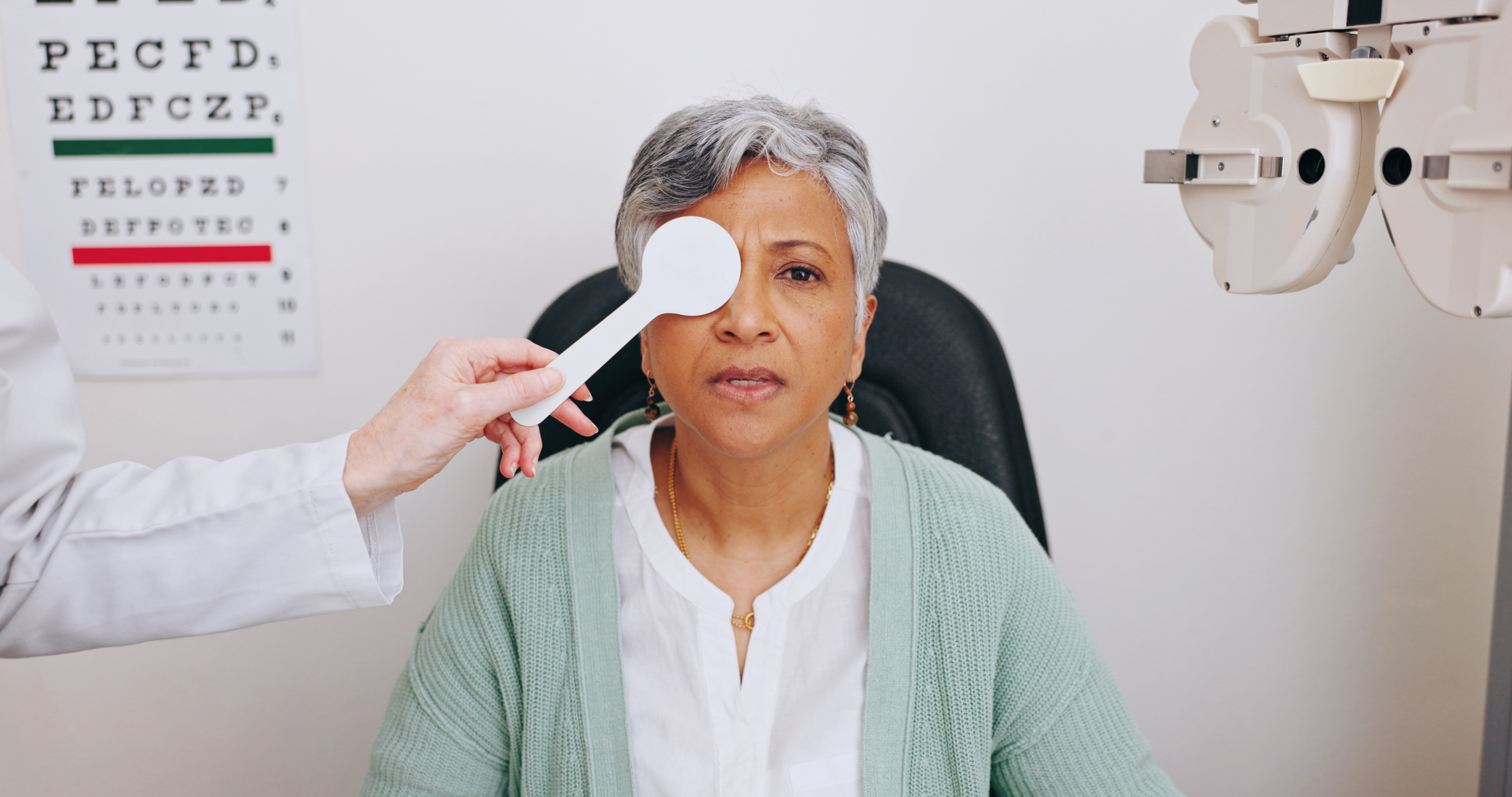
Eye doctors use simple tests to check for cataracts. First, they will ask about your symptoms and health history. Next, they will examine your eyes. Common tests include:
With these tests, doctors can find out if you have a cataract and how much it affects your vision. Early diagnosis is key for the best cataract treatment.
Treatment Options for Cataracts
At first, you may not need treatment if your cataract is mild. Sometimes, changing your glasses or using brighter lights can help. However, if your vision gets worse, surgery is the only way to remove a cataract. Cataract surgery is safe and common. During surgery, the cloudy lens is removed and replaced with a clear artificial lens. Most people see better after surgery. If you are looking for cataract treatment in your city, ask your eye doctor about the best options near you.
Tips for Cataract Prevention
While not all cataracts can be prevented, you can lower your risk. Try these simple tips:
Because prevention is easier than treatment, start these habits early for healthy eyes.
Living with Cataracts: Lifestyle Guidance
Even if you have cataracts, you can still enjoy daily life. For example, use brighter lights at home to help you see better. Also, keep your eyeglass prescription up to date. If you drive, avoid driving at night or in bright sunlight until your vision improves. Ask family or friends for help if you need it. Most importantly, see your eye doctor regularly to track any changes. With the right care, you can manage cataract symptoms and stay active.
In summary, cataracts are common but treatable. Early detection and healthy habits can protect your vision. Consult an eye specialist for personalized advice on cataracts.