Strabismus, also known as crossed eyes or eye misalignment, can affect people of all ages. For adults, strabismus surgery offers a chance to improve both eye alignment and vision. Strabismus surgery for adults is a safe and effective option. Many people search for adult eye alignment surgery, strabismus treatment outcomes, and vision improvement after strabismus surgery. This guide explains what to expect and how your vision may change.
What Is Strabismus in Adults?
Strabismus happens when the eyes do not look in the same direction. As a result, one eye may turn in, out, up, or down. Adults with strabismus may notice double vision, eye strain, or trouble focusing. Sometimes, people feel self-conscious about their appearance. In daily life, strabismus can make reading, driving, or working harder. However, treatment can help improve both vision and confidence.
Why Consider Strabismus Surgery as an Adult?
Many adults think strabismus can only be fixed in childhood. However, this is not true. Adults can benefit from surgery too. Here are some reasons to consider strabismus surgery:
Some people worry that surgery is risky or will not help. In reality, most adults see good results. According to the American Academy of Ophthalmology, many adults report better vision and quality of life after surgery.
What to Expect Before, During, and After Strabismus Surgery
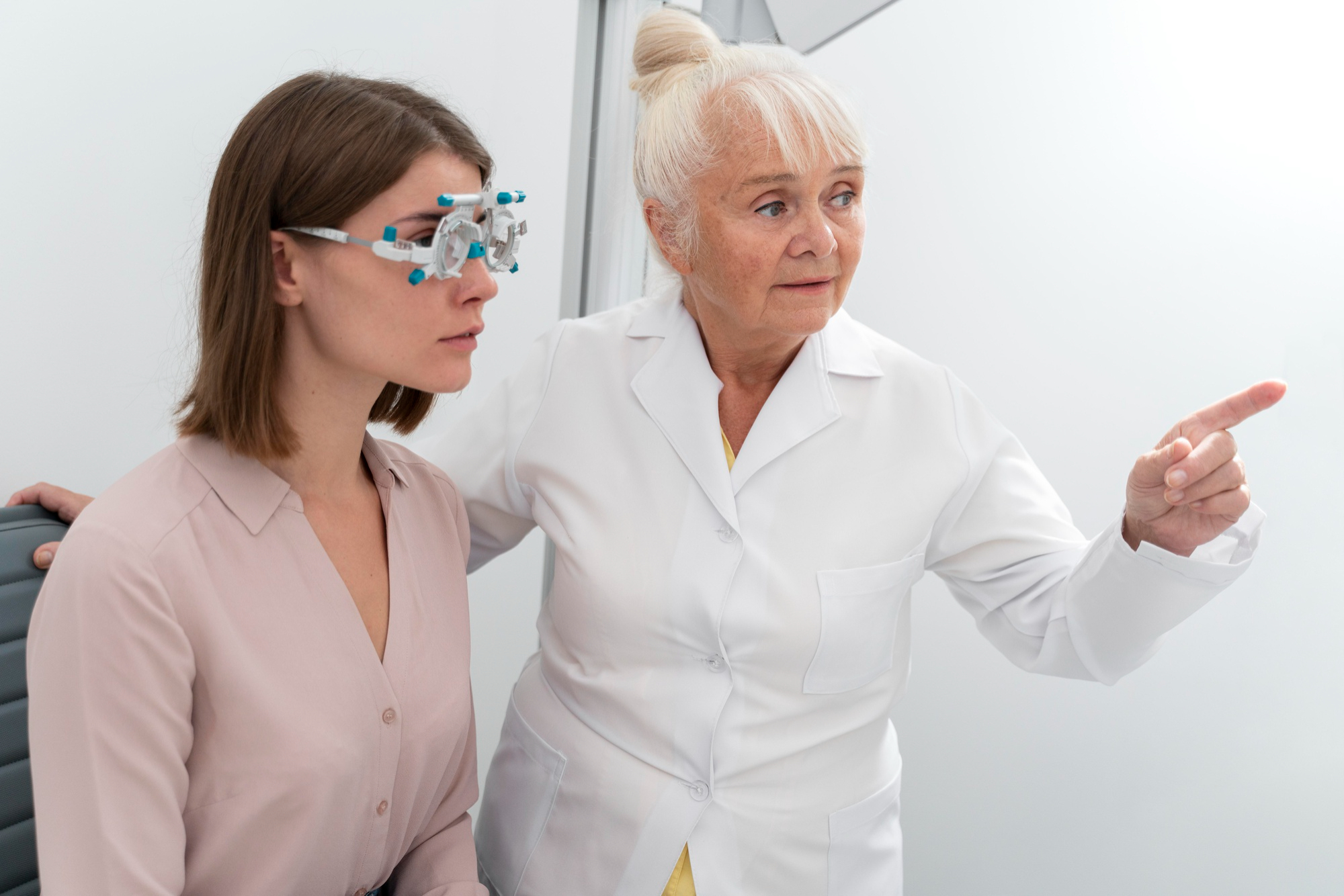
Before surgery, your eye doctor will do a full eye exam. They may use special tests to check your vision and eye muscles. You may also talk about your health history and any medicines you take.
Preparation Tips
During the surgery, you will get anesthesia so you do not feel pain. The doctor will adjust the muscles that move your eyes. Most surgeries take less than an hour. You may go home the same day.
Recovery Steps
After surgery, your eyes may feel sore or look red. These symptoms usually get better within a week.
How Vision Improves After Strabismus Surgery
Many adults notice better eye alignment soon after surgery. For some, double vision improves or goes away. Others may see less eye strain and better depth perception. However, results can vary. Some people may need glasses or further treatment. Your doctor will explain what to expect based on your case.
Several factors affect the outcome, such as:
Follow-up care is important. Your doctor may suggest eye exercises or more visits to check your progress. According to the National Eye Institute, most adults are satisfied with their results after surgery.
Risks and Potential Complications
Like any surgery, strabismus surgery has some risks. However, most are mild and can be managed. Common risks include:
Your doctor will watch for any problems and treat them quickly if they arise.
Lifestyle Guidance and Recovery Tips
After surgery, you can help your eyes heal by following these tips:
Most people return to normal activities within a week. However, always follow your doctor’s advice for the best results.
Prevention and Long-Term Outlook
While you cannot always prevent strabismus, regular eye exams help catch problems early. After surgery, keep up with eye check-ups. This helps your doctor spot any changes and keep your eyes healthy. For many adults, surgery offers lasting results. However, some may need more treatment or glasses over time. Staying informed and following your doctor’s advice supports long-term eye health.
Conclusion: Strabismus surgery for adults can improve both vision and quality of life. If you are considering surgery, consult an ophthalmologist for personalized advice on strabismus surgery and vision improvement.