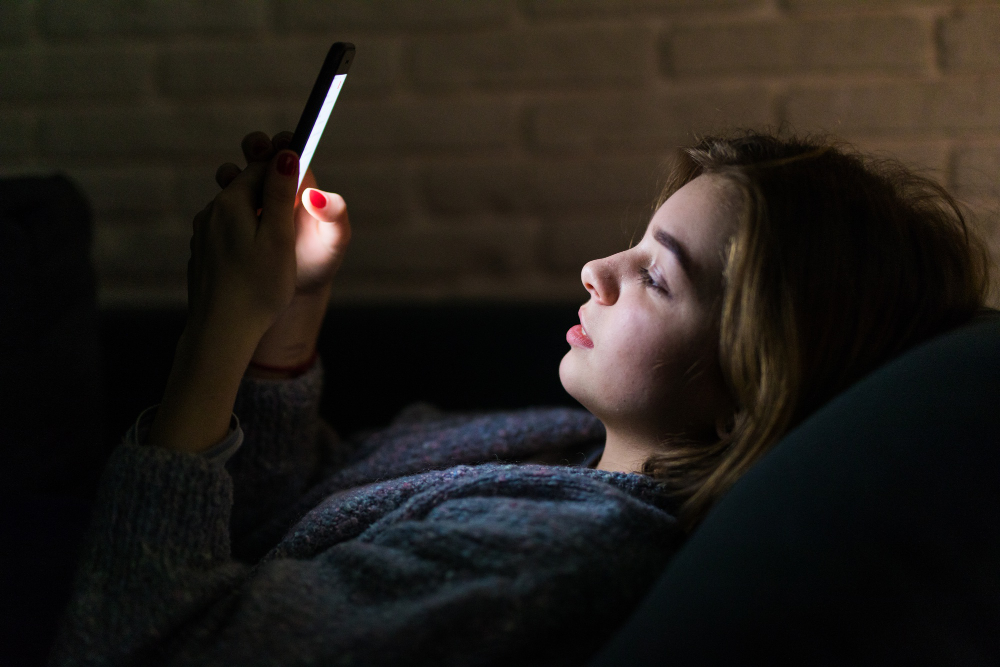
Today, many children spend hours each day looking at screens. This can lead to screen time and vision problems in children. As screens become part of daily life, parents need to know how they affect kids’ eyes. In fact, too much screen time can cause eye strain, headaches, and even long-term vision issues. Understanding these risks helps parents protect their child’s eye health. Let’s explore what you need to know about screen time and vision problems in children.
What Is Screen Time?
Screen time means the amount of time spent using devices with screens. For children, this includes watching TV, playing video games, using tablets, smartphones, or computers. Even online learning adds to daily screen use. While screens can help kids learn and have fun, too much time can harm their eyes. Therefore, it is important to balance screen use with other activities.
How Excessive Screen Time Affects Children’s Vision
When children use screens for long periods, their eyes work harder. As a result, they may feel tired or uncomfortable. Over time, too much screen time can cause both short-term and long-term vision problems. For example, children may experience:
In the long run, some children may develop nearsightedness (myopia), where distant objects look blurry. According to the World Health Organization (WHO), the number of children with myopia is rising worldwide. Because of this, parents should pay close attention to their child’s screen habits.
Common Vision Problems Linked to Screen Use
Several eye problems can develop from too much screen time. For instance, children may face:
Because these problems can affect school and play, it is important to notice them early.
Warning Signs Parents Should Watch For
Sometimes, children do not say when their eyes hurt. However, parents can look for these warning signs:
If you notice any of these signs, it may be time to check your child’s vision.
Diagnosis and When to See an Eye Doctor
Early diagnosis is key to preventing serious vision problems. If your child shows symptoms, schedule an eye exam with a pediatric eye doctor. During the exam, the doctor will check your child’s vision and eye health. Sometimes, special tests are used to measure how well the eyes focus and move. Because some problems can get worse without treatment, early visits are important. The American Academy of Ophthalmology suggests regular eye checks for all children, especially if they use screens often.
Prevention and Healthy Screen Habits
Parents can help protect their child’s eyes with simple steps. For example, you can:
By following these tips, you can help keep your child’s eyes healthy.
Treatment Options
If your child develops vision problems, several treatments are available. Depending on the issue, the doctor may suggest:
In some cases, early treatment can prevent problems from getting worse. Therefore, always follow your doctor’s advice and keep up with eye exams.
To sum up, screen time and vision problems in children are closely linked. By watching for warning signs and building healthy habits, you can protect your child’s eyes. Consult a pediatric ophthalmologist for personalized guidance on your child’s vision health.