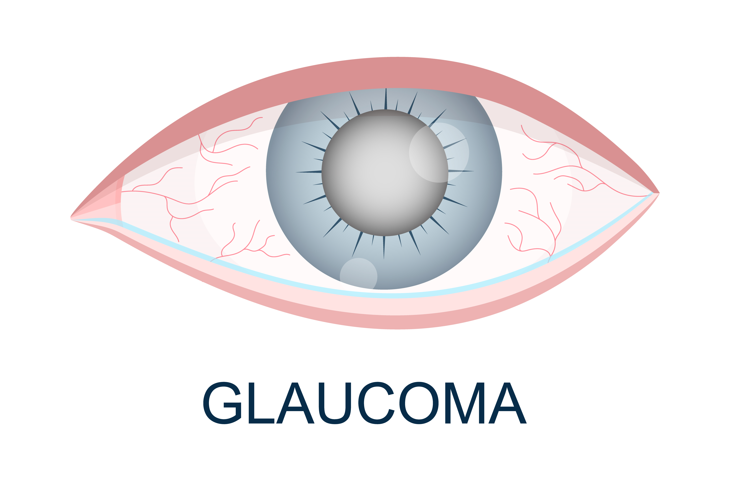
Glaucoma is a serious eye condition that can lead to vision loss. In fact, it is one of the leading causes of blindness worldwide. Many people do not notice symptoms until the disease has progressed. Therefore, understanding glaucoma is important for early detection and treatment. According to the World Health Organization (WHO), millions of people are affected by glaucoma each year. Early signs of glaucoma can be hard to spot, but knowing what to look for can help protect your vision.
What is Glaucoma?
Glaucoma is a group of eye diseases that damage the optic nerve. The optic nerve sends visual information from your eye to your brain. Usually, this damage happens because of high pressure inside the eye. However, some people can get glaucoma even with normal eye pressure. Over time, glaucoma can cause permanent vision loss if not treated. Because it often develops slowly, many people do not know they have it until their vision is affected.
Common Symptoms of Glaucoma
At first, glaucoma may not cause any symptoms. But as the disease progresses, you may notice changes in your vision. For example, you might lose side vision first. Here are some common glaucoma symptoms to watch for:
If you notice any of these early signs of glaucoma, seek medical help right away. Early treatment can prevent further damage.
Causes and Risk Factors
Glaucoma often develops when fluid builds up in the front part of the eye. This extra fluid increases pressure and damages the optic nerve. However, not everyone with high eye pressure gets glaucoma. Several risk factors can increase your chances of developing this condition. These include:
Because some risk factors cannot be changed, regular eye exams are important, especially as you get older.
How is Glaucoma Diagnosed?
Doctors use several tests to diagnose glaucoma. Early detection is key to preventing vision loss. During an eye exam, your doctor may:
Most tests are quick and painless. If you are at risk, regular check-ups can help catch glaucoma early.
Treatment Options for Glaucoma
While there is no cure for glaucoma, treatment can slow or stop vision loss. Your eye specialist will choose the best plan for you. Common glaucoma treatment options include:
Because treatment works best when started early, regular eye exams are important. Always follow your doctor’s instructions for the best results.
Tips for Living with Glaucoma
Living with glaucoma can be challenging, but you can manage it with the right steps. For example, you can:
With proper care, many people with glaucoma maintain good vision for years.
Preventing Glaucoma: What You Can Do
Although you cannot always prevent glaucoma, you can lower your risk. Here are some helpful tips:
Early detection is the best way to prevent vision loss from glaucoma. In many cities, glaucoma awareness programs help people learn about the risks and the need for regular check-ups.
In summary, glaucoma is a serious eye disease that can cause vision loss if left untreated. However, early diagnosis and treatment can help protect your sight. Consult an eye specialist for personalized advice on glaucoma management.