Introduction
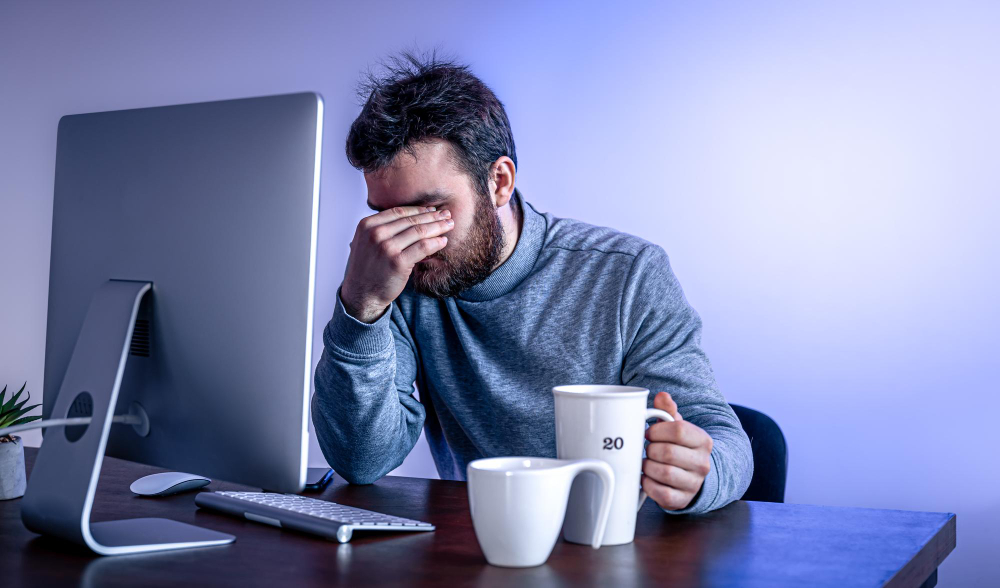
Many people notice their eyes feel heavy and tired after screen exposure. This is a common problem today. With more time spent on computers, phones, and tablets, digital eye strain is on the rise. Eye fatigue from screens can affect anyone, whether at work or home. Understanding why your eyes feel this way can help you find relief and protect your vision. In this blog, we explain the symptoms, causes, diagnosis, and ways to relieve and prevent screen time eye fatigue.
Common Symptoms
After using screens for a while, you may notice several symptoms. These signs can appear during or after screen use. For example, you might feel:
Sometimes, these symptoms can make it hard to finish daily tasks. However, taking breaks and using simple tips can help reduce discomfort.
Causes
There are several reasons why your eyes feel heavy and tired after screen exposure. Understanding these causes can help you prevent digital eye strain.
In addition, using screens too close to your face or for long hours can make symptoms worse.
Diagnosis
Eye fatigue from screens is usually diagnosed based on your symptoms and screen habits. An eye care specialist may ask about your daily screen time and any discomfort you feel. Sometimes, they will check your vision and eye health. If you have ongoing pain, blurred vision, or other serious symptoms, it is important to seek help. Early diagnosis can prevent further problems and help you find the right treatment.
Treatment and Relief
There are many ways to relieve tired eyes after screen use. For quick relief, you can try these tips:
For ongoing problems, you may need special glasses or other treatments from an eye care professional.
Prevention
Preventing eye strain from screens is possible with a few simple steps. Here are some ways to protect your eyes every day:
By following these tips, you can reduce your risk of digital eye strain and keep your eyes feeling fresh.
Conclusion
In summary, heavy and tired eyes after screen exposure are common but manageable. Simple changes to your daily habits can make a big difference. If your eyes often feel heavy and tired after screen use, consult an eye care specialist for personalized advice.