What is a Foreign Body in the Eye?
A foreign body in the eye means something that does not belong there has entered your eye. This could be dust, sand, metal, or even an eyelash. Often, these objects rest on the surface of the eye. Sometimes, they may get stuck under the eyelid. Because the eye is sensitive, even a small object can cause discomfort. Many people search for how to remove something from the eye safely. However, it is important to know the right steps to protect your vision.
Common Symptoms
When you have a foreign body in your eye, you may notice symptoms right away. For example, your eye may feel scratchy or painful. Other common symptoms include:
Sometimes, blinking makes the feeling worse. If you notice any of these signs, you may have a foreign object in your eye.
Causes and Risk Factors
Many things can cause a foreign body in the eye. For instance, wind can blow dust or sand into your eyes. At work, metal or wood shavings may enter the eye during tasks like grinding or cutting. Children often get small objects in their eyes while playing. Here are some common causes and risk factors:
Wearing safety glasses can help lower your risk. But even with care, accidents can happen.
How is it Diagnosed?
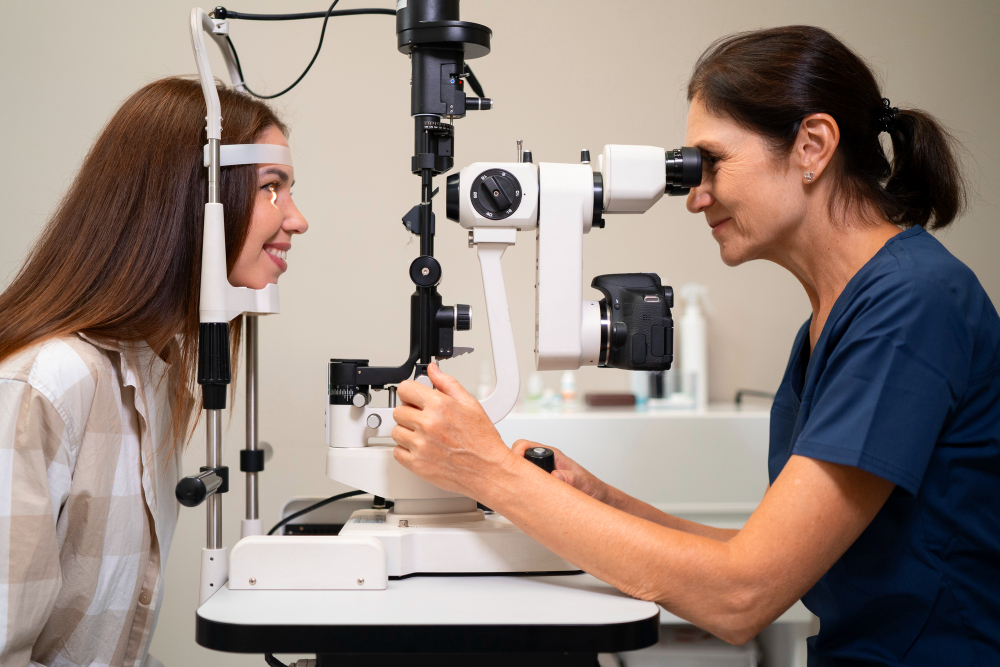
Doctors use several methods to diagnose a foreign body in the eye. First, they will ask about your symptoms and how the injury happened. Next, they may use a light and magnifier to look at your eye. Sometimes, they use a special dye to spot tiny objects or scratches. In rare cases, an X-ray or scan may be needed if the object is not visible. Early diagnosis helps prevent infection or damage.
Treatment Options
Treatment depends on the type and location of the foreign body. Often, doctors can remove small objects with gentle washing or special tools. For example, they may use:
If the object is deep or sharp, surgery may be needed. After removal, your doctor may suggest antibiotic drops to prevent infection. Follow-up visits help ensure your eye heals well.
Home Care and First Aid Tips
If you think you have something in your eye, you can try these first aid steps:
Never try to remove sharp or deeply stuck objects yourself. Also, avoid using tweezers or cotton swabs on your eye at home.
Prevention Tips
While accidents can happen, you can lower your risk with these tips:
In addition, regular eye check-ups can help catch problems early.
When to See a Doctor
Sometimes, home care is not enough. You should see an eye care specialist if:
Early treatment can prevent serious eye injury. For eye care in your area, contact a local clinic or hospital.
If you suspect a foreign body in your eye, consult an eye care specialist for personalized advice. Quick action can help protect your vision and prevent further problems.