What is Uveitis?
Uveitis is an eye condition that causes inflammation inside the eye. This inflammation affects the uvea, which is the middle layer of the eye. Because uveitis can damage vision, it is important to recognize it early. According to the World Health Organization, uveitis is a leading cause of vision loss in many countries. While anyone can get uveitis, it is more common in adults between 20 and 60 years old. Early treatment can help prevent serious problems.
Common Symptoms of Uveitis
Uveitis symptoms can appear suddenly or develop slowly. For example, some people may notice pain, while others see only mild changes. If you have any of these signs, see an eye doctor soon:
Sometimes, symptoms affect one eye, but they can also affect both eyes. Because these signs can also be caused by other eye problems, it is important to get a proper diagnosis.
Causes and Risk Factors
There are many causes of uveitis. Sometimes, doctors cannot find a clear reason. However, common causes and risk factors include:
In addition, people with a family history of autoimmune diseases may have a higher risk. Because some infections can spread to the eye, good hygiene and prompt treatment of illnesses are important.
How Uveitis is Diagnosed
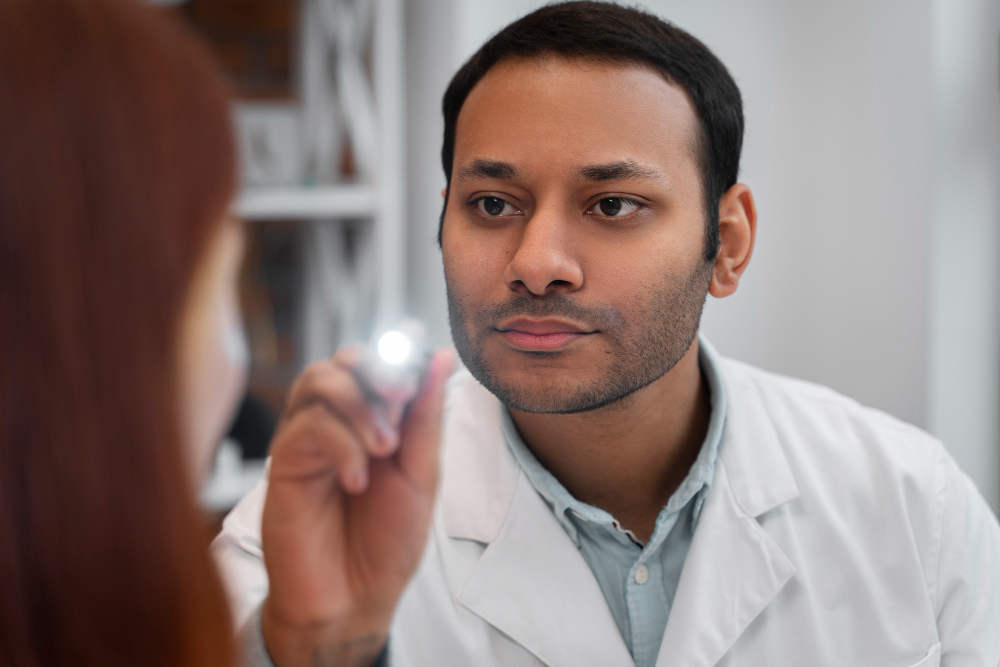
Doctors use several steps to diagnose uveitis. First, they ask about your symptoms and medical history. Next, they perform a full eye exam. For example, your doctor may use special lights to look inside your eye. In some cases, tests like blood work or imaging scans help find the cause. Because uveitis can be linked to other health problems, your doctor may work with other specialists. Early diagnosis helps prevent vision loss.
Treatment Options for Uveitis
Treatment for uveitis depends on the cause and severity. However, the main goal is to reduce inflammation and prevent damage. Common uveitis treatment options include:
In some cases, doctors may suggest injections or surgery. Because treatment can vary, always follow your doctor’s advice. If you are looking for uveitis treatment in your area, ask your eye specialist about local options.
Tips for Living with Uveitis
Living with uveitis can be challenging, but there are ways to manage it. For example, regular eye check-ups help catch problems early. Here are some helpful tips:
Because stress can affect your health, try to manage it with relaxation techniques. Support from family and friends can also make a big difference.
Preventing Uveitis
While not all cases of uveitis can be prevented, some steps may lower your risk. For instance, treating infections quickly and managing chronic diseases can help. Here are some prevention tips:
Because early action is key, do not ignore any changes in your vision. If you have a family history of autoimmune diseases, tell your doctor.
If you notice symptoms of uveitis, consult an eye specialist for personalized care. Early treatment can protect your vision and improve your quality of life.