What is Myopia?
Myopia, also called nearsightedness, is a common eye condition. People with myopia can see nearby objects clearly. However, distant objects look blurry. In the United States and worldwide, myopia is becoming more common, especially in children and teens. According to the World Health Organization, myopia rates are rising each year. Early detection and care can help protect your vision.
Common Symptoms of Myopia
Recognizing myopia symptoms early is important. Often, children may not notice changes in their vision. But, there are signs you can watch for. For example, you may notice:
Sometimes, children may rub their eyes often. They may also complain about tired eyes. If you notice these symptoms, it is wise to schedule an eye exam.
Causes and Risk Factors
Myopia happens when the eyeball is too long or the cornea is too curved. As a result, light focuses in front of the retina instead of on it. This causes distant objects to appear blurry. Several factors can increase the risk of myopia. For instance:
Additionally, myopia can develop in both children and adults. However, it often starts in childhood and may worsen with age.
How Myopia is Diagnosed
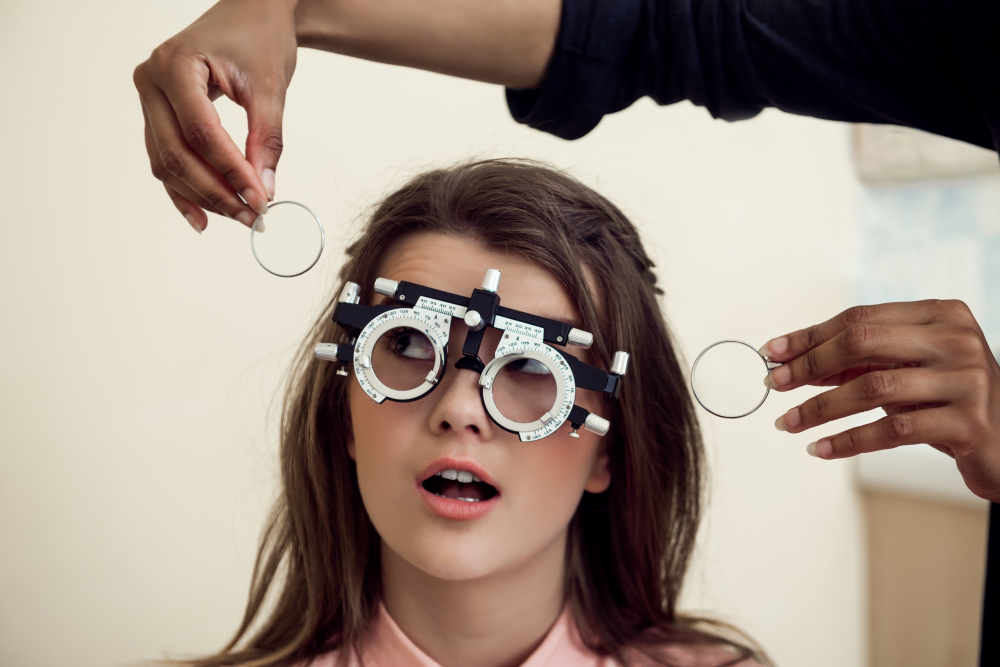
Eye doctors use simple tests to diagnose myopia. First, they ask about your vision and any symptoms. Next, they perform a visual acuity test. This test checks how well you see at different distances. Sometimes, doctors use special drops to relax the eye muscles. This helps them get accurate results. After the exam, your doctor will explain your results and discuss next steps.
Treatment Options for Myopia
There are several myopia treatment options available. The right choice depends on your age, lifestyle, and how severe your myopia is. Common treatments include:
Your eye specialist will help you choose the best option. For children, regular check-ups are important to monitor changes in vision.
Lifestyle Tips and Prevention
While you cannot always prevent myopia, healthy habits can help protect your eyes. For example, you can:
Additionally, following these eye health tips for myopia may slow its progression. Early action can make a big difference.
When to See an Eye Specialist
If you or your child notice blurry vision, frequent headaches, or eye strain, it is time to see an eye specialist. Early diagnosis helps prevent further vision problems. Even if you have no symptoms, regular eye exams are important for everyone. In summary, taking care of your eyes now can help you enjoy clear vision for years to come.
Consult an eye specialist for personalized advice on managing myopia.