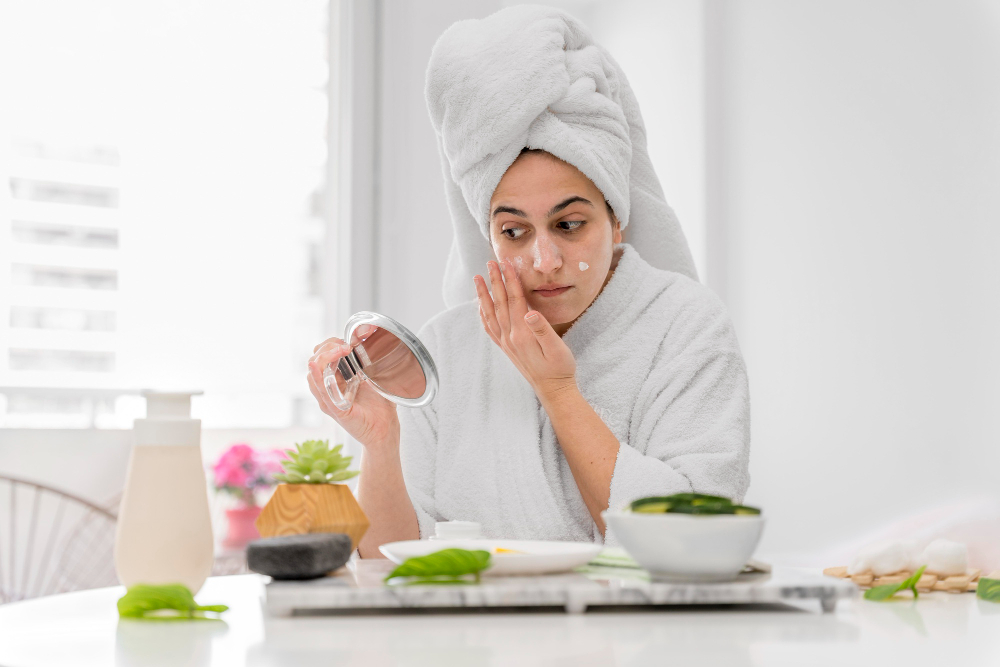
Introduction to Winter Skin Challenges
Winter can be tough on your skin. The cold air, wind, and indoor heat often make skin dry and itchy. For many, a good winter skin care routine is key to keeping healthy skin in winter. In dry or cold climates, these problems can get worse. But with the right steps, you can protect your skin all season.
Symptoms of Winter Skin Issues
Many people notice changes in their skin during winter. For example, you may see:
Sometimes, these symptoms can affect the skin near your eyes. If this happens, it is important to take extra care.
Causes of Dry or Unhealthy Skin in Winter
There are several reasons why skin gets dry in winter. First, cold air holds less moisture. Second, indoor heating makes the air even drier. Also, hot showers can strip away natural oils. Because of these factors, your skin loses water faster. As a result, it can feel rough or look dull.
Step-by-Step Winter Skin Care Routine
To keep your skin healthy, follow this simple winter skin care routine:
By following these steps, you can help prevent dry skin in winter.
Recommended Products and Ingredients
Choosing the right products can make a big difference. Look for these ingredients:
For the eye area, pick creams made for sensitive skin. Always avoid products with strong scents or alcohol, as they can cause irritation.
Prevention Tips for Maintaining Healthy Skin in Winter
Besides your daily routine, these tips can help you keep healthy skin in winter:
With these habits, your skin will stay soft and healthy all winter long.
When to Consult a Dermatologist or Ophthalmologist
Sometimes, home care is not enough. If you notice severe dryness, cracks that bleed, or rashes that do not heal, see a dermatologist. In addition, if you have redness, swelling, or irritation around your eyes, consult an ophthalmologist. Early care can prevent bigger problems.
Frequently Asked Questions (FAQs)
For more tips or if you have ongoing skin issues, consult a dermatologist or ophthalmologist for personalized winter skin care advice.